
Discover Naxos
The largest, greenest and most self-sufficient of the Cyclades - and where Zeus is said to have grown up.
Sourced and paraphrased from Wikipedia - Naxos (CC BY-SA 4.0)
Quick facts
| Area | 430 km² |
| Highest point | Mt Zas - 1 004 m |
| Population (2021) | 20 578 |
| Capital | Naxos Town (Chora) |
| Archipelago | Cyclades |
| Time zone | EET/EEST (UTC+2/+3) |
Sourced and paraphrased from Wikipedia - Naxos
History
Mythic Naxos
Greek mythology credits Naxos as the island where Zeus himself was raised in a cave on Mount Zas (the name echoes Zeus). It was here that Ariadne was abandoned by Theseus after helping him escape the Labyrinth - and where Dionysus, god of wine, found her and made her his bride. The island's association with Dionysus explains the ancient prosperity of its vineyards.
Cycladic Civilisation
Naxos was the most powerful island of the Early Cycladic period (3300–2000 BC), famed for its white marble and emery quarries. Cycladic figurines - the stark, minimalist white marble statuettes now iconic in modern art - were carved here using Naxian emery to shape them. The island supplied marble to projects across the Aegean world.
Classical & Byzantine
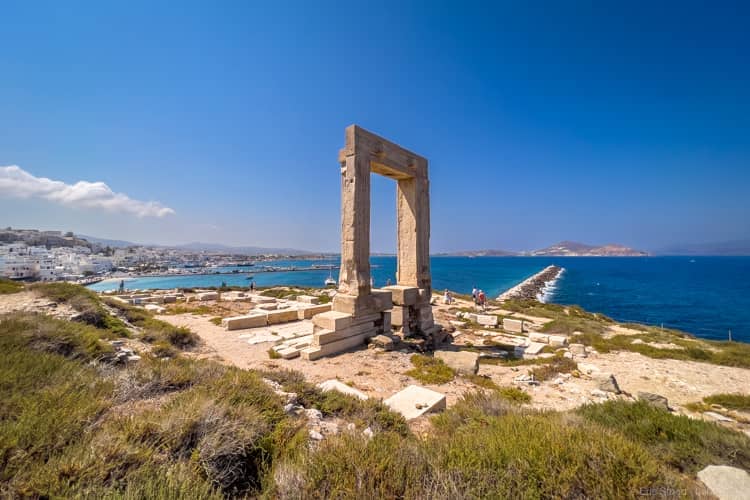
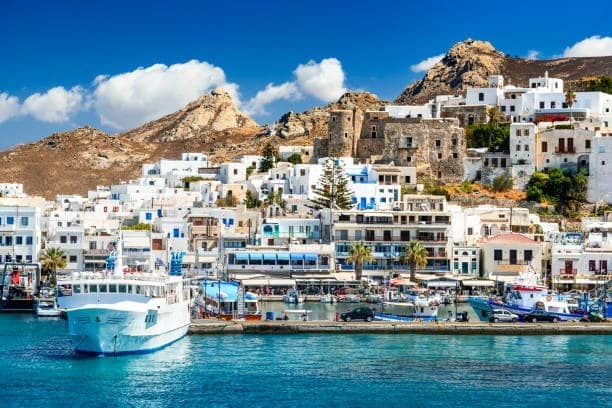
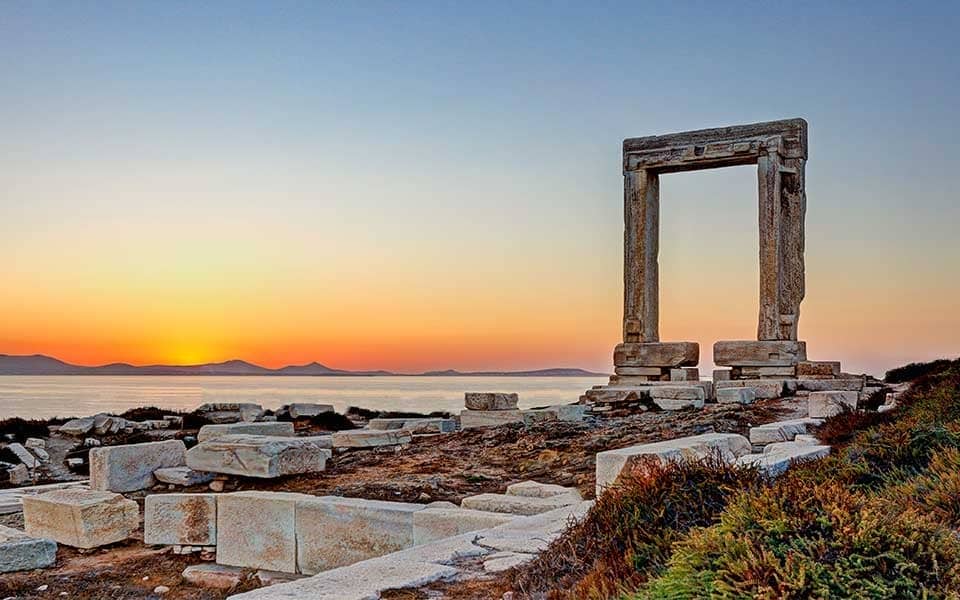
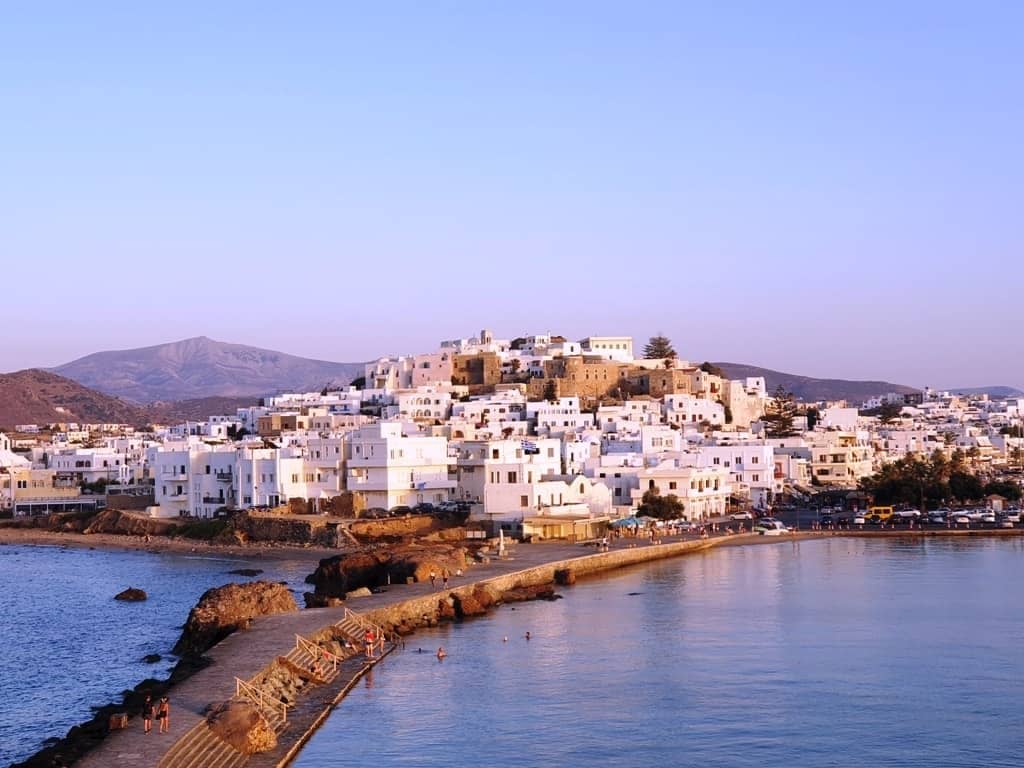
In the 6th century BC Naxos was among the wealthiest cities in Greece, building the massive Portara (the marble gateway still standing on the islet of Palatia) as the entrance of a never-completed temple to Apollo. The island later fell to the Persians, joined the Delian League, and entered Byzantine rule in 395 AD, which brought the construction of its remarkable hilltop Kastro and dozens of tower houses.
Venetian Duchy & Ottoman Rule
After the Fourth Crusade (1204), Naxos became the capital of the Duchy of the Archipelago under Marco Sanudo - a Venetian state that shaped the island's Catholic tower-house architecture, still visible in the Kastro quarter of Chora. The Ottomans took formal control in 1566 but allowed a degree of local autonomy. The legacy of Venetian rule is why Naxos has an unusual number of Catholic families and a Latin bishopric alongside the Orthodox Church.
Geography & climate
Naxos is the largest island of the Cyclades at 430 km². Its mountainous interior - found nowhere else in the Cyclades at this scale - peaks at Zas (1,004 m), the highest mountain of the Cyclades and a popular day hike from Filoti village.
The climate is typically Mediterranean: hot dry summers (July–August 26–28°C) with a strong north meltemi that keeps the beaches cool, and mild winters with rain mainly in December–January. Best time to rent a vehicle: May–June and September–October for quieter roads and comfortable temperatures.
| Jan | Feb | Mar | Apr | May | Jun | Jul | Aug | Sep | Oct | Nov | Dec |
|---|---|---|---|---|---|---|---|---|---|---|---|
| 14° | 14° | 16° | 19° | 23° | 27° | 29° | 29° | 26° | 22° | 18° | 15° |
Avg high °C - Sourced and paraphrased from HNMS via Wikipedia
Economy & culture
Unlike many Cycladic islands that rely almost entirely on tourism, Naxos still produces its own food. Its fertile plain hosts vineyards, olive groves, potato fields (the “Naxian potato” holds EU PGI status) and cheese dairies.
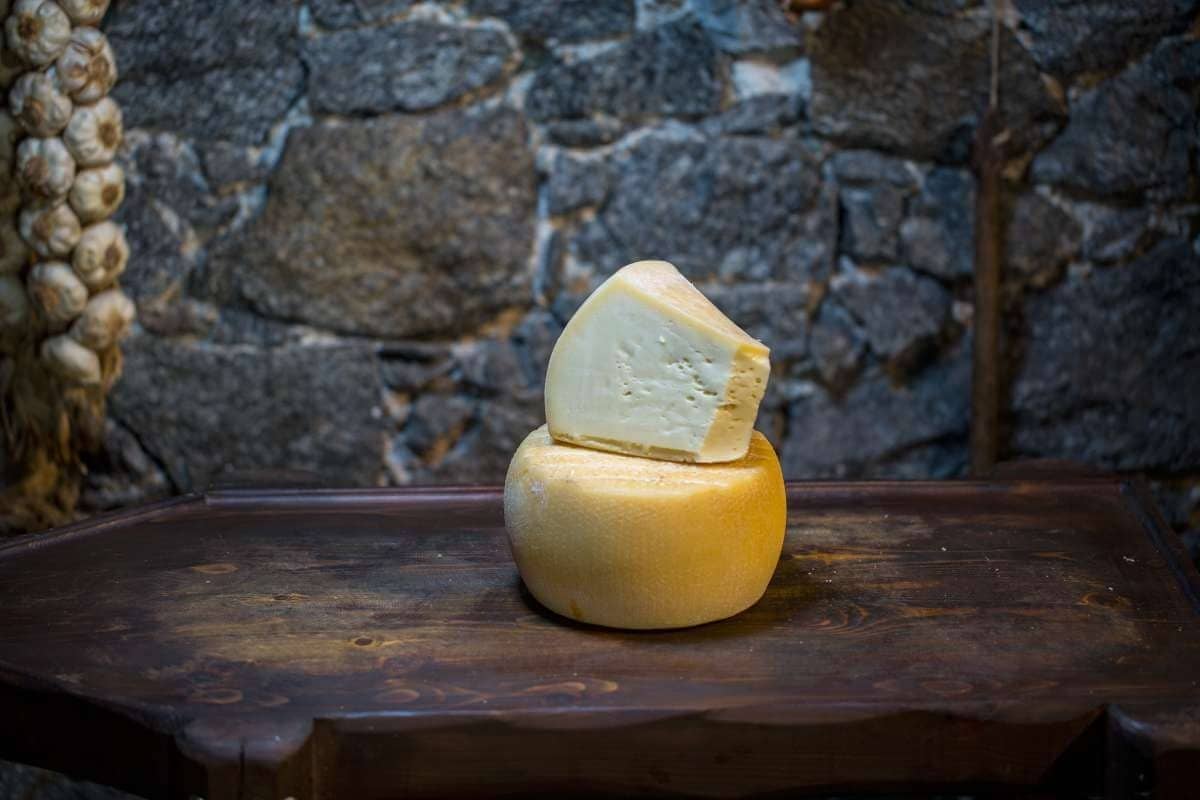
Key local products: Arseniko Naxou (hard sharp PDO cheese), Kitron (a liqueur made from citron leaves - completely unique to Naxos), Naxian thyme honey and Naxian marble still quarried in the southeast - the same stone used for the Portara 2,600 years ago.
Best vehicle for Naxos
 cars
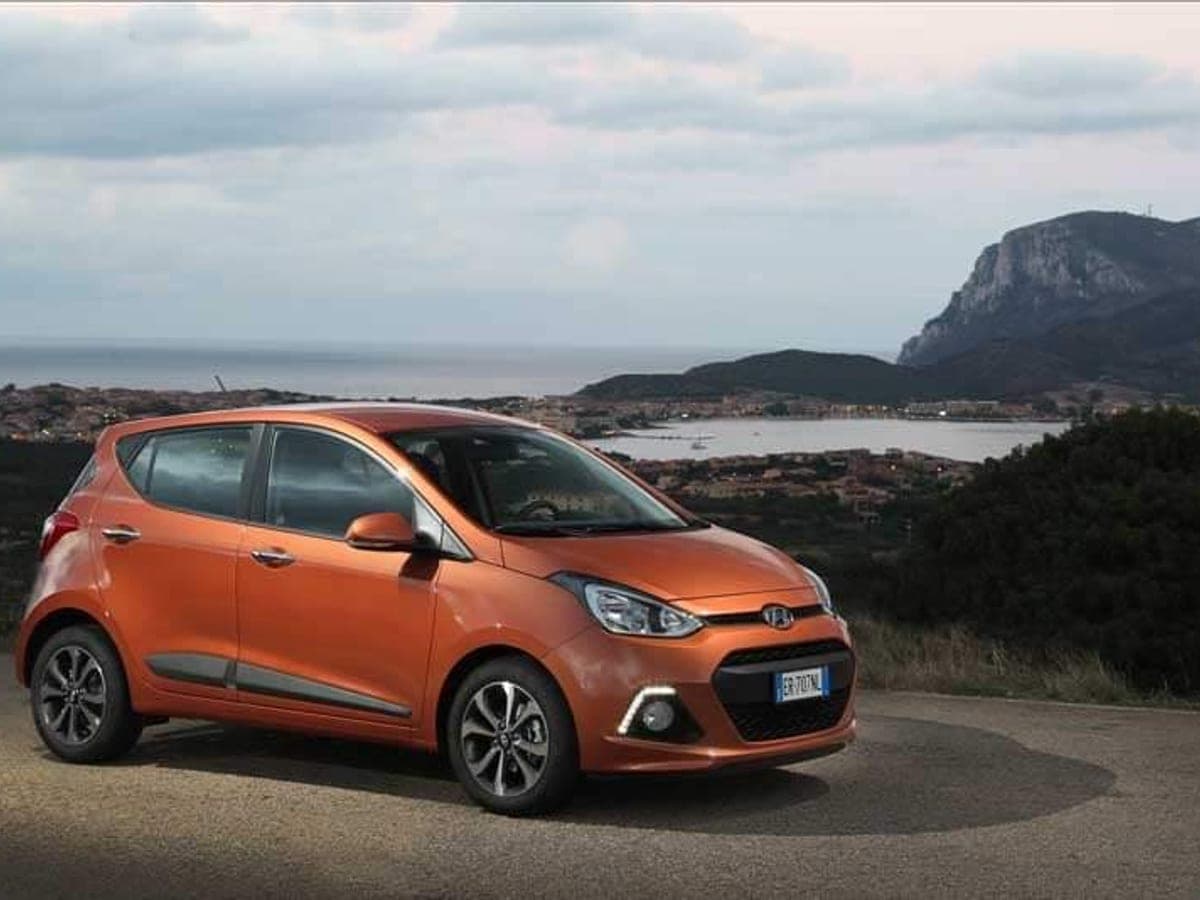
carsToyota Aygo X
from€30/ dayTiny, thrifty, and surprisingly fun on the Filoti–Apeiranthos road
- 4 seats
- Manual
- Petrol
- 3 doors
- 1 bags
- 1.0L
“Toyota AYGo was brand new and in excellent condition!”
 cars
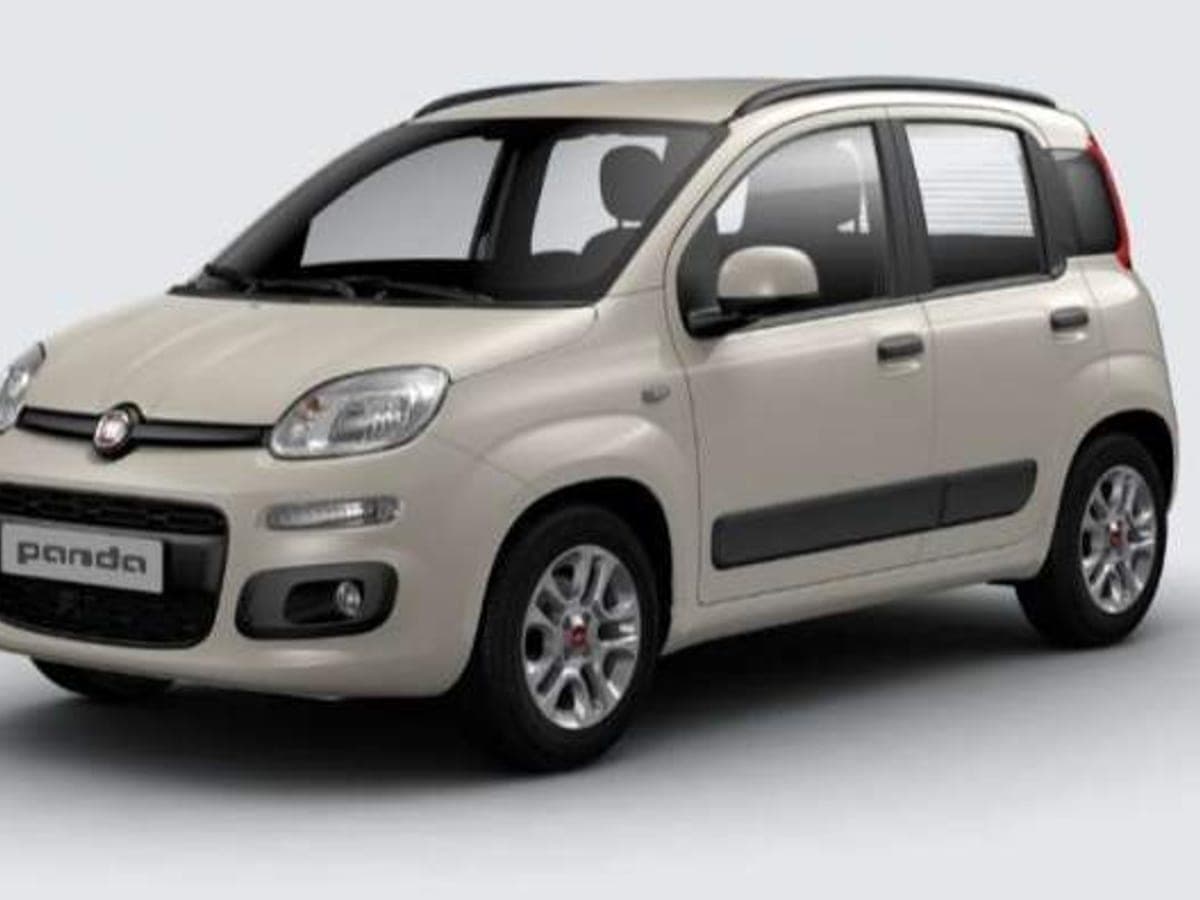
carsFiat Panda
from€32/ dayThe Italian classic that drives Naxos like a local
- 5 seats
- Manual
- Diesel
- 5 doors
- 2 bags
- 1.3L
“Perfect car (fiat panda)...very well maintained, clean, very pleasant driving experience, strong aircondition.”
The complete Naxos guide
14 in-depth guides to the island, written by people who drive it every day.
Plan your trip
Naxos travel guide 2026: everything you need before you go
The largest island in the Cyclades, written up by people who drive it every day - beaches, villages, food, costs, timing, and how to get around once you land.
Read article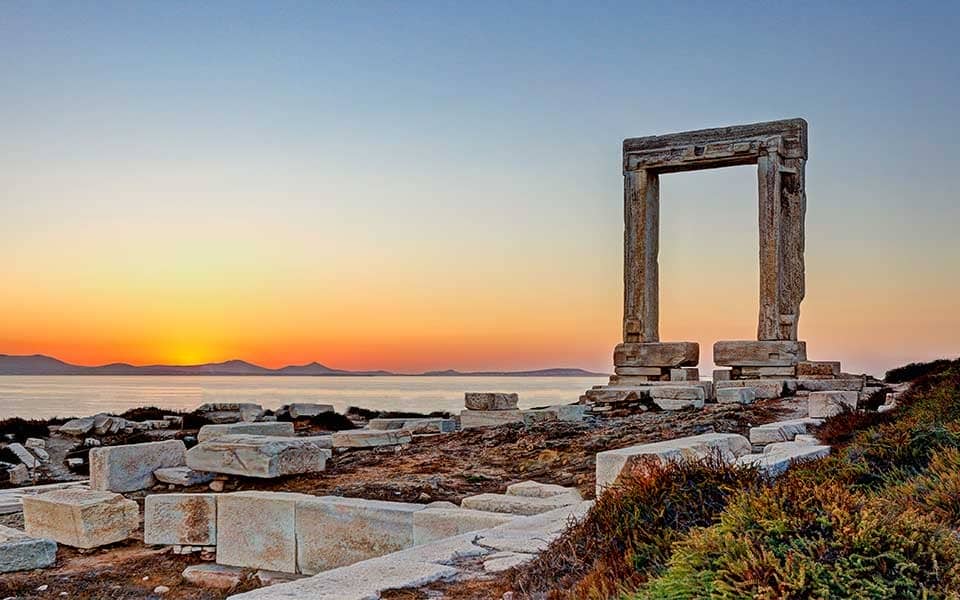
21 best things to do in Naxos in 2026 (from people who live here)
Not a list of everything - a list of what is actually worth your time, ordered by how often we send guests there and honest about which ones need a car.
Read articleNaxos itinerary: 3, 5 and 7-day plans that actually work
Day-by-day plans built around real driving times, not a map. Where to go each morning, where to eat, and which day to keep free for the weather.
Read article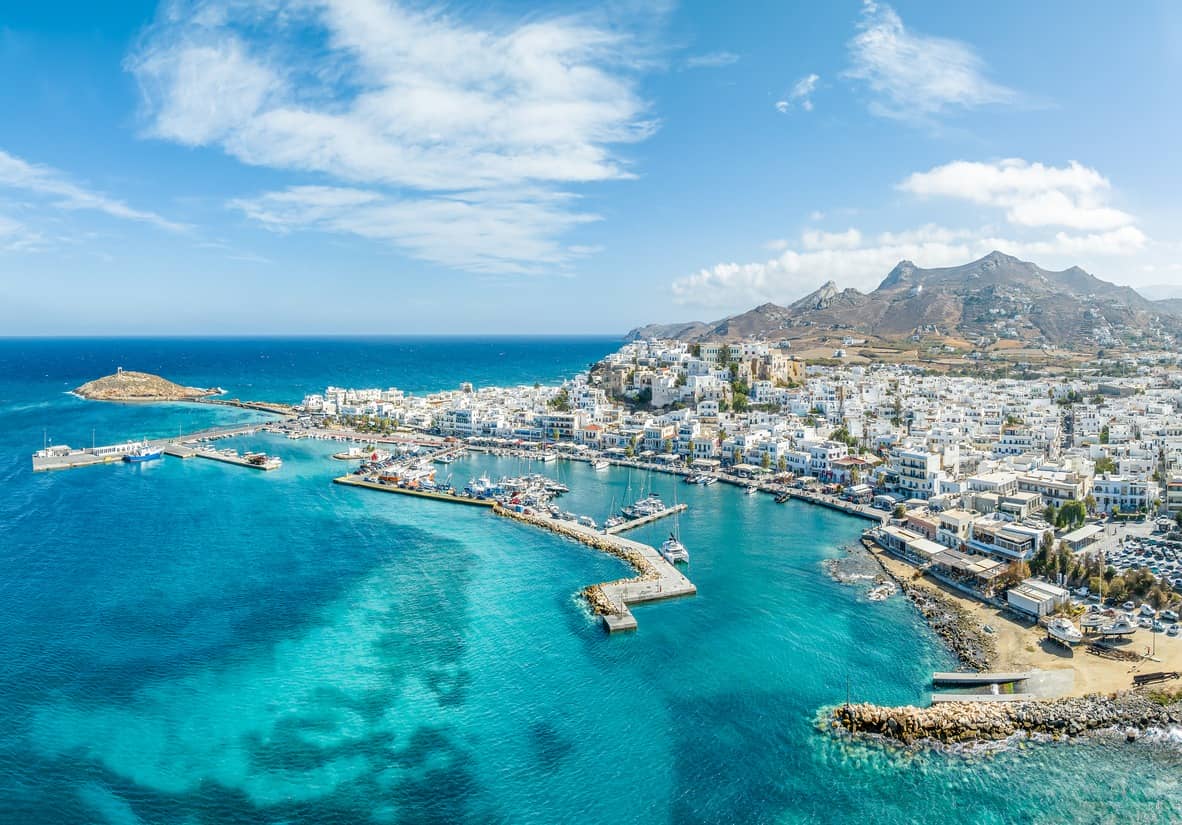
Naxos vs Paros 2026: which island should you actually choose?
They are 45 minutes apart and constantly confused. A head-to-head on beaches, food, nightlife, cost, families and getting around - written from the Naxos side, and honest about where Paros wins.
Read article
Best time to visit Naxos: month by month, with wind and sea temperatures
September wins and it is not close. Here is what every month actually feels like - heat, meltemi, sea temperature, crowds and what is open.
Read article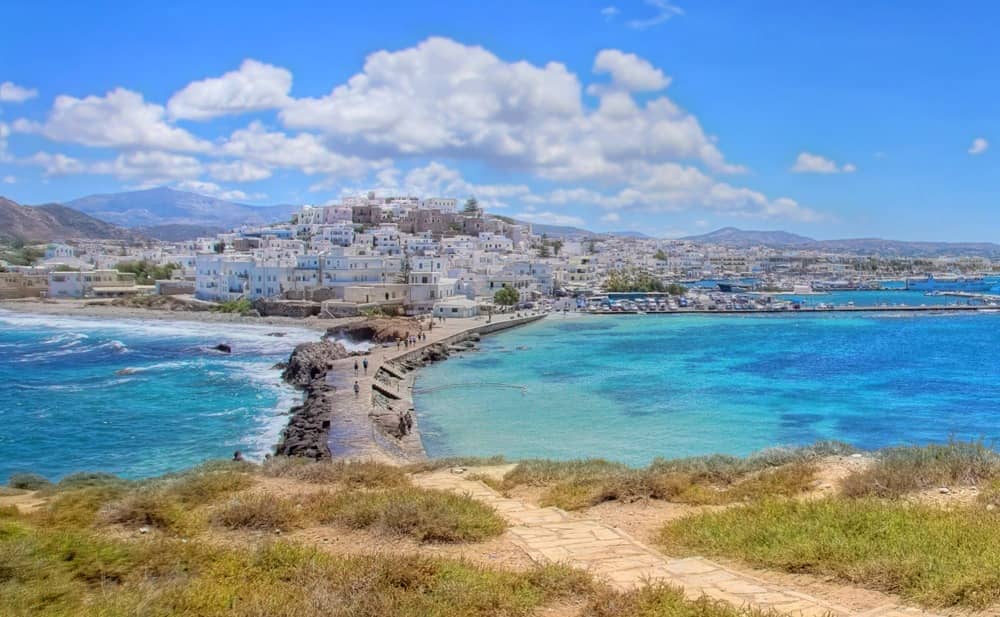
Naxos with kids: the Cyclades island that actually works with children
Shallow beaches, a car-free old town, short drives and cheap simple food. What to plan, what to skip and which car you actually need.
Read articleExplore the island
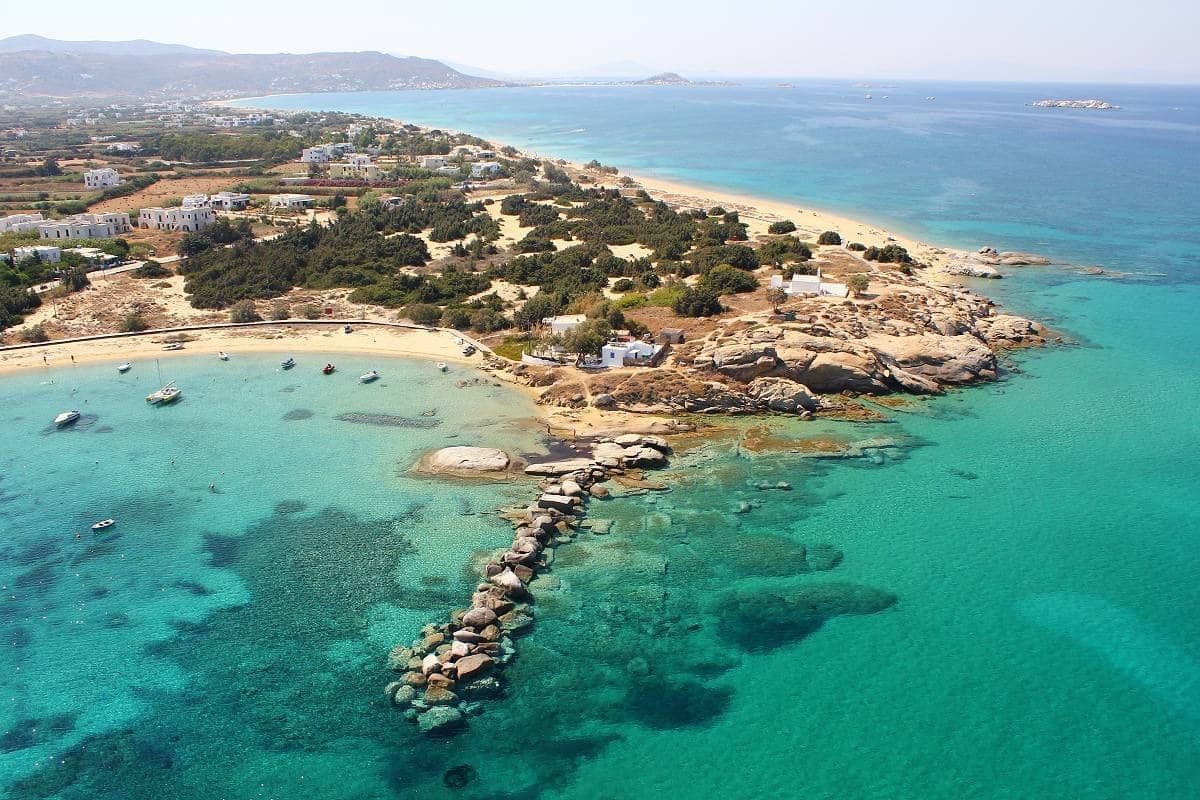
The 14 best beaches in Naxos 2026, ranked and mapped
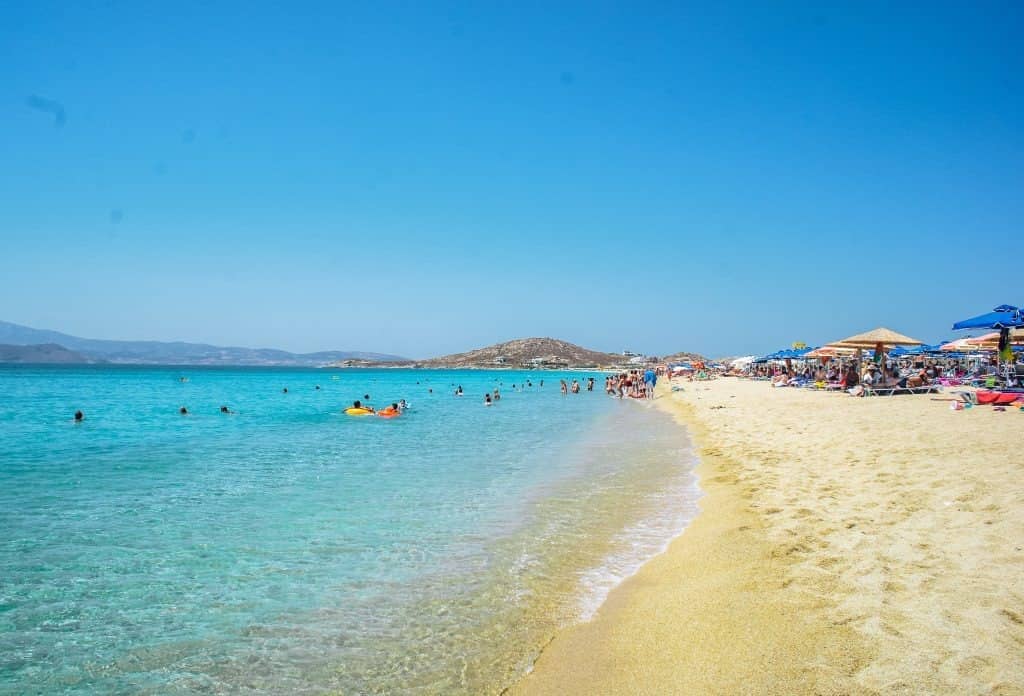
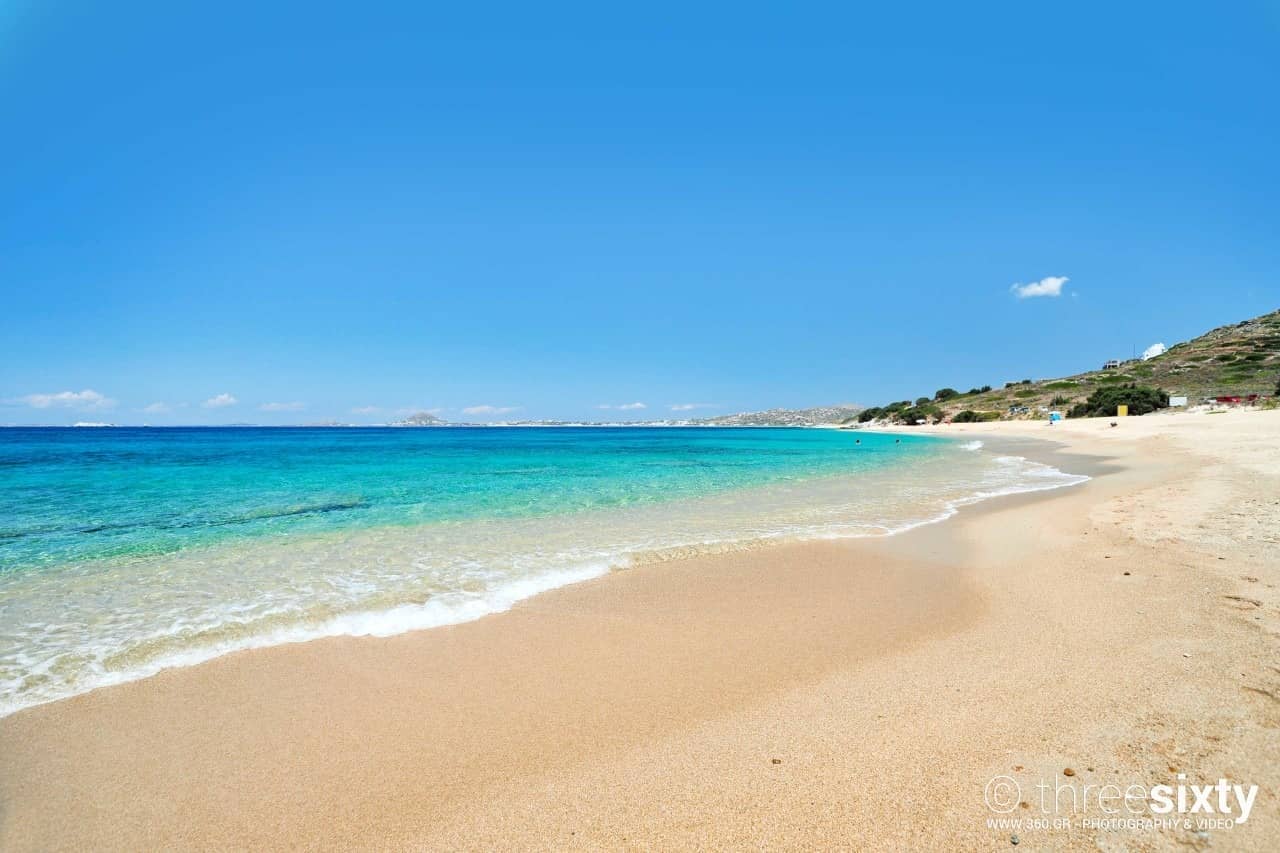
Every beach with its distance from Chora, whether the bus reaches it, how sheltered it is from the meltemi, and who it actually suits.
Read article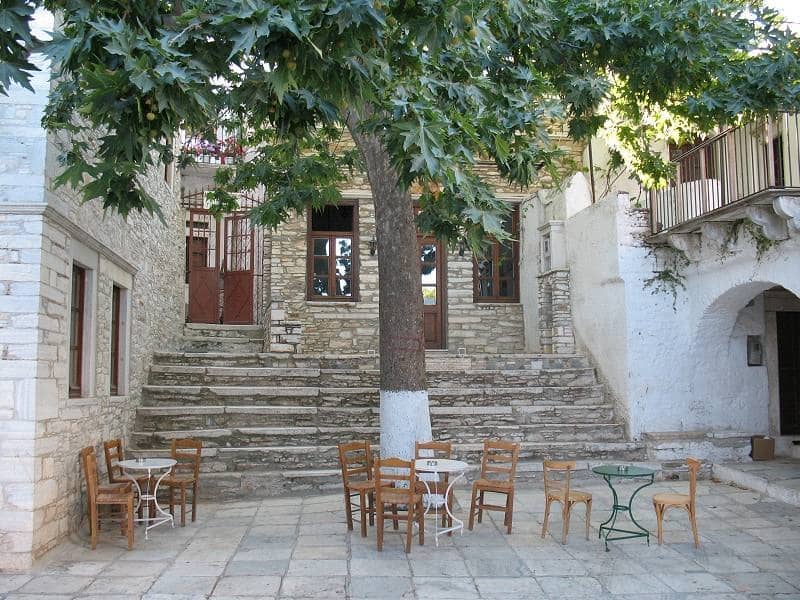
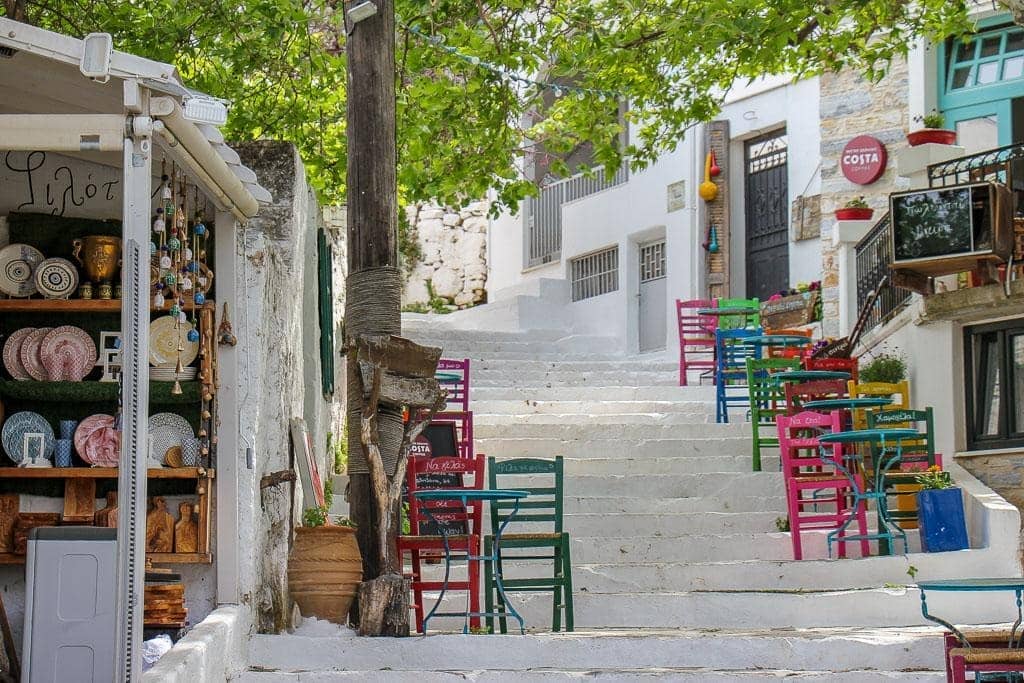
Naxos mountain villages: Chalki, Filoti, Apeiranthos and the Tragea
The interior is where Naxos stops resembling a beach island. A village-by-village guide with the drive times, what to see in each and where the road gets narrow.
Read article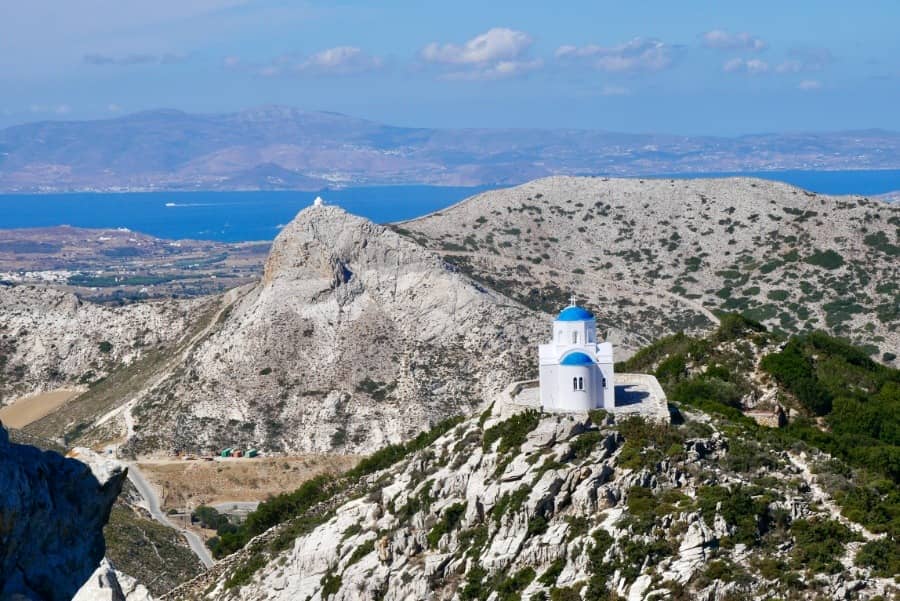
Mount Zas and hiking in Naxos: the Zeus cave, the summit and the trails
The highest peak in the Cyclades, the cave where Zeus was supposedly raised, and four other walks worth doing - with trailheads, timings and where to park.
Read articleGetting here
How to get to Naxos in 2026: ferries, flights and what to book first
Every route to the island with real journey times and fares - Piraeus, Rafina, Athens by air, and the inter-island hops from Paros, Mykonos, Santorini and Ios.
Read article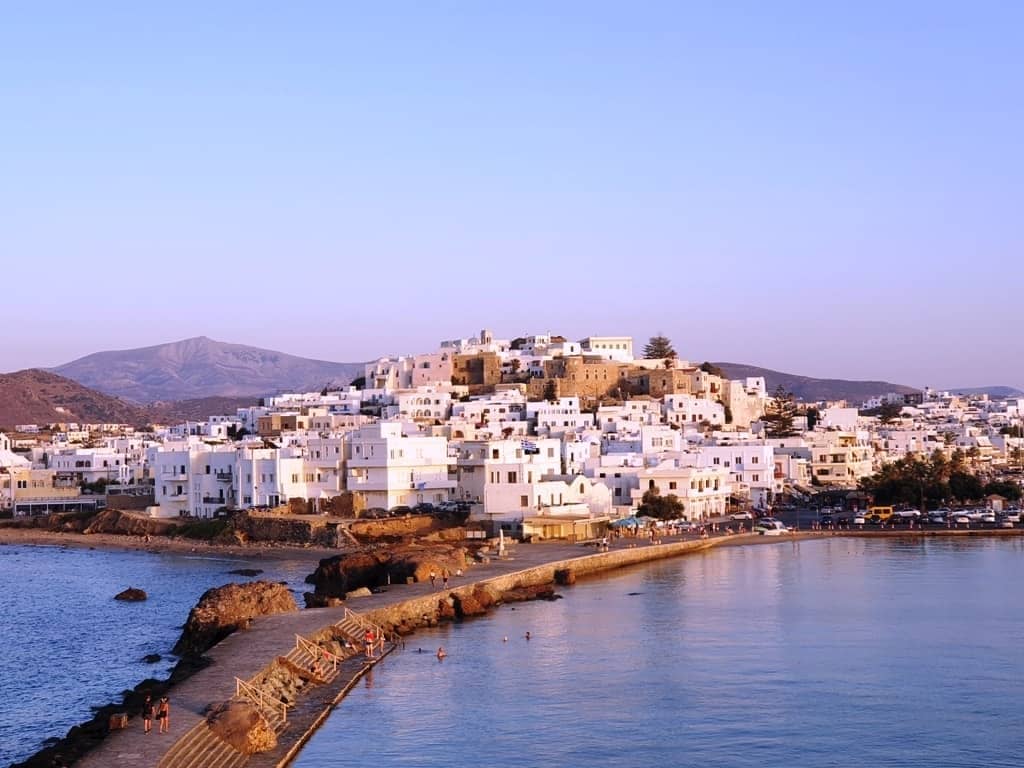
Naxos port guide: arrival, parking, car pickup and getting into town
What actually happens when your ferry docks at Naxos, where the car handover takes place, and how to avoid the twenty minutes of confusion most arrivals go through.
Read articleNaxos airport (JNX): flights, arrivals, car hire and transfers
A small airport with one terminal, short runway and no rental desks. Here is exactly what to expect and how the car handover works.
Read articleEat and sleep
Where to stay in Naxos: every area compared, and who each one suits
Chora, Agios Prokopios, Agia Anna, Plaka, Stelida, Mikri Vigla and the mountain villages - honest pros and cons, and which need a car.
Read articleNaxos food guide: graviera, kitron, potatoes and where to actually eat
The island grows and raises most of what it serves, which makes it the best place to eat in the Cyclades. What to order, what is genuinely local, and how to spot a real taverna.
Read articleGallery
Sources & references
- [1] Wikipedia contributors. “Naxos.” Wikipedia, The Free Encyclopedia. https://en.wikipedia.org/wiki/Naxos. Accessed 2026. Licensed under CC BY-SA 4.0.
- [2] Wikipedia contributors. “Duchy of the Archipelago.” Wikipedia. https://en.wikipedia.org/wiki/Duchy_of_the_Archipelago. Accessed 2026. CC BY-SA 4.0.
- [3] Hellenic National Meteorological Service (HNMS) climate data, as cited in Wikipedia - Naxos. Licensed under CC BY-SA 4.0.
- [4] European Commission. “Arseniko Naxou” PDO registration. European Union geographical indications register.