What Naxos actually is
Naxos is the Cyclades island that does not depend on tourism to exist. It has its own agriculture - potatoes that Greeks genuinely queue for, a protected graviera cheese, citron liqueur, olive groves and cattle grazing on green hillsides that look nothing like the bare rock of Mykonos or Santorini. That single fact shapes the whole visit: prices are lower because locals also shop here, tavernas cook for a year-round population, and the island stays inhabited in February. At 430 km² it is roughly five times the size of Santorini, which is why almost every mistake first-time visitors make comes down to underestimating distance. Chora to Apollonas is 48 km of mountain road and takes an hour each way. Chora to Pyrgaki is 22 km and takes 35 minutes. You cannot see Naxos from a beach lounger in Agios Prokopios, and that is exactly the point.
How long should you stay in Naxos?
Five to seven nights is the honest answer, and it is longer than most itineraries allow. Three nights covers Chora, two or three west-coast beaches and one mountain drive - enough to enjoy but not enough to understand the island. Five nights adds Apollonas in the north, a proper day in the Tragea valley, and time to find a beach you like enough to return to. Seven lets you add Mount Zas, a boat trip to the Small Cyclades, and the unhurried second visit to a taverna that is usually the memory people take home. If you only have two nights, Naxos still beats a rushed Santorini stop - but base yourself in Chora and accept that you are seeing a fraction.
Where to base yourself
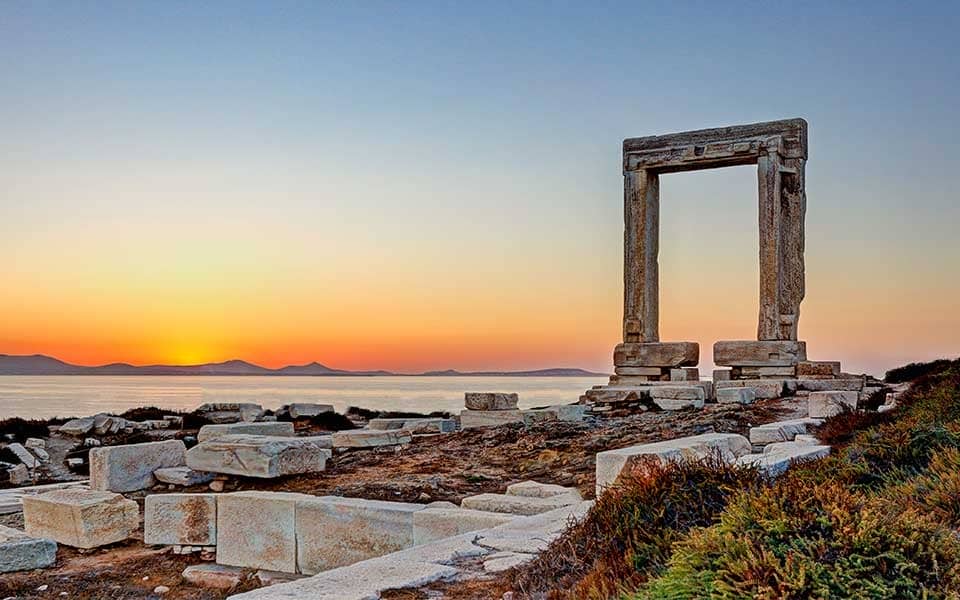
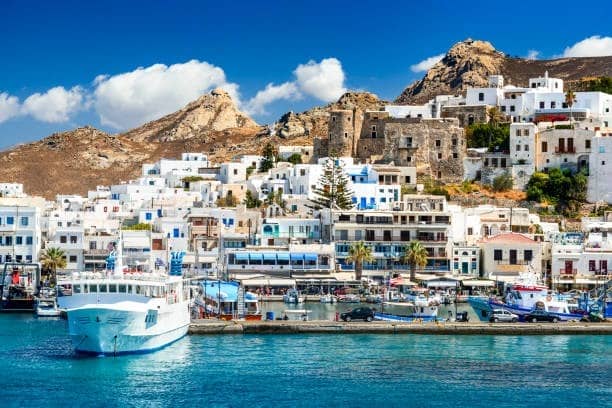
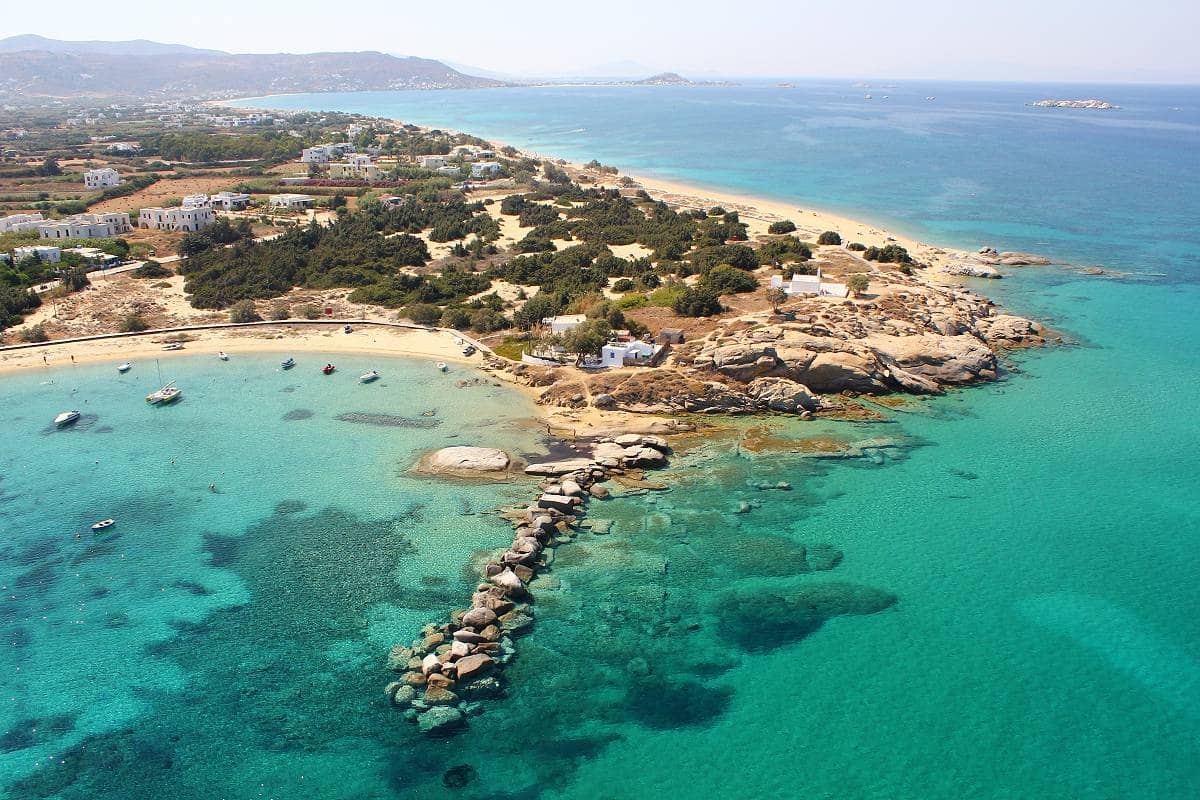
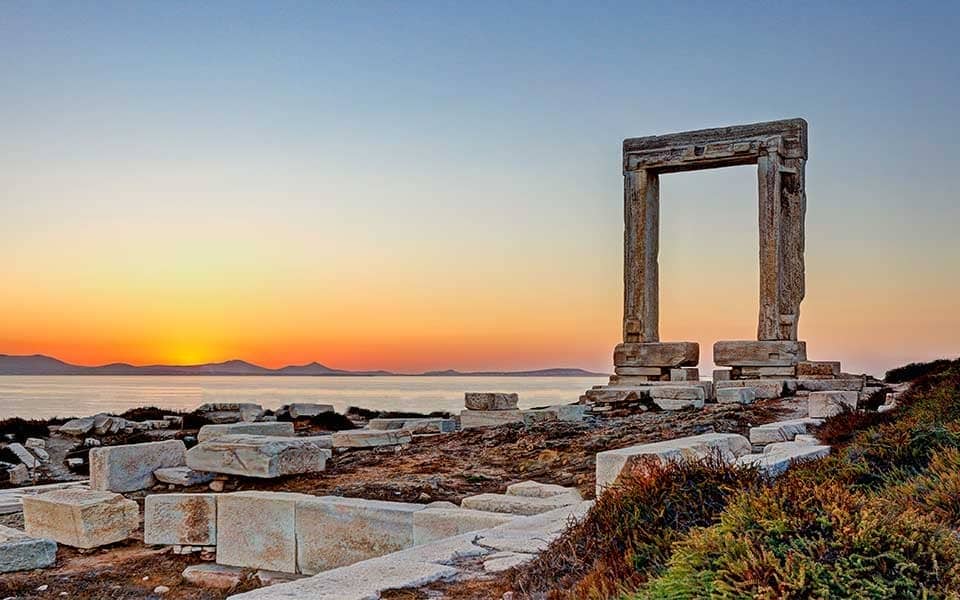
Chora (Naxos Town) is the default and the right choice for most first visits: the port, the Kastro, the Portara, the best restaurant density and Agios Georgios beach are all walkable, and every road on the island starts here. Agios Prokopios and Agia Anna are 10 minutes south and trade the town atmosphere for a better beach at your door - ideal with small children. Plaka suits people who want a long quiet beach and a car. Stelida sits on the hill between Chora and the beaches with the island's best sunset views and the newer hotels. Mikri Vigla is for kitesurfers and nobody else. The mountain villages - Chalki, Filoti, Apeiranthos - are extraordinary to visit and a genuine commitment to sleep in: 30–45 minutes of switchbacks from the nearest swimmable beach.
What a week in Naxos costs
Naxos is one of the better-value Cyclades islands, meaningfully cheaper than Mykonos or Santorini and roughly level with Paros. In shoulder season expect €60–110 a night for a good double room, €12–20 per person for a taverna dinner with wine, €4 for a coffee, €8–12 for a beach sunbed pair and €30–45 a day for a small rental car. In peak August the accommodation figure roughly doubles while food and car hire rise more modestly. A realistic mid-range budget for two people in June, excluding flights and ferries, lands around €160–200 a day all-in. The single biggest saving available is travelling in the second half of September, when the sea is at its warmest, the meltemi has eased and prices have dropped back to shoulder rates.
Getting around once you arrive
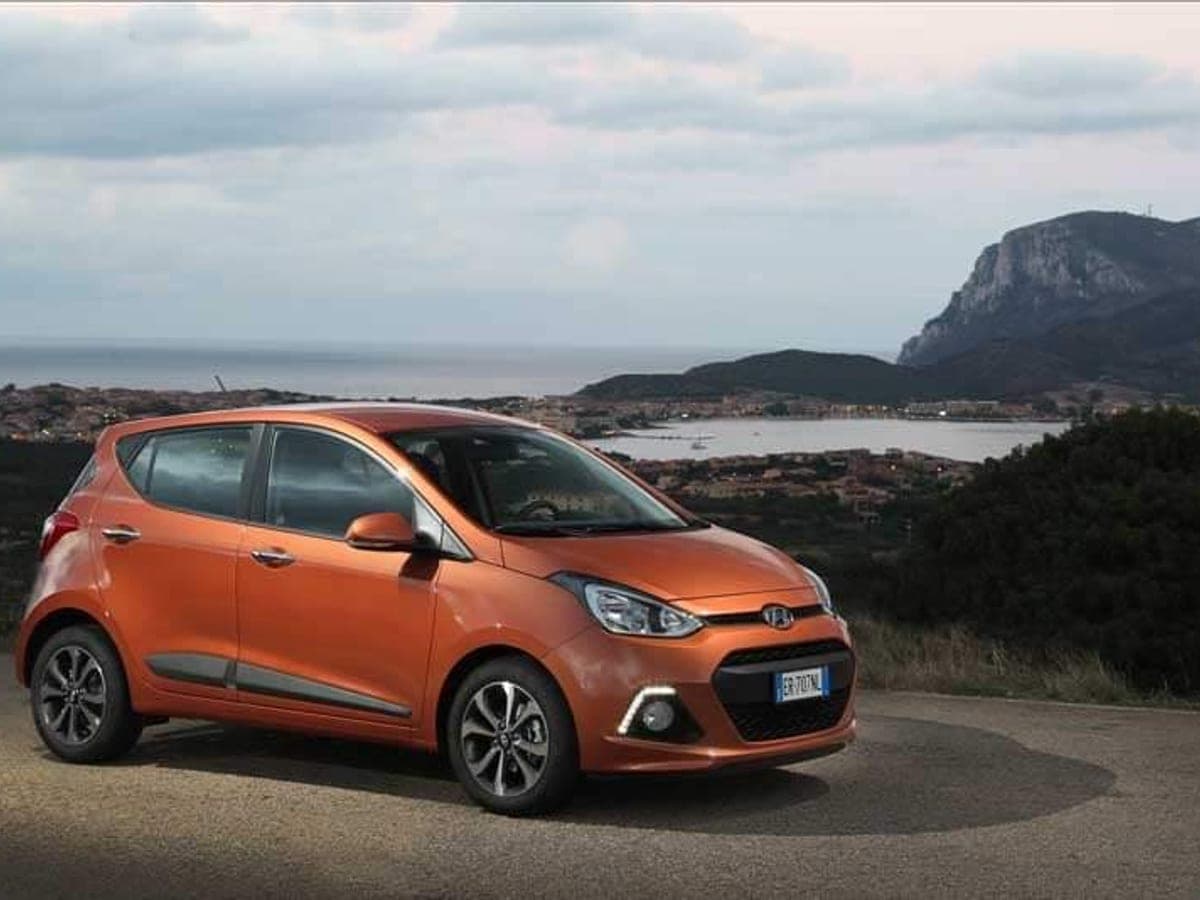
KTEL buses run frequently from the Chora port to Agios Prokopios, Agia Anna and Plaka through July and August, and three to four times daily to Filoti, Apeiranthos and Apollonas with the last inland return typically at 16:00–17:00. That covers perhaps a fifth of the island. Mikri Vigla, Alyko, Pyrgaki, Kastraki, the Tragea churches and every roadside taverna worth stopping at are not on a bus route. Taxis exist but are few - around 20 for the whole island - and effectively unobtainable at peak times. A rental car is not a luxury here; it is the difference between seeing Naxos and seeing three beaches. We deliver free to the port, the airport and any hotel on the island, which also solves the awkward part: arriving on a 23:00 ferry when every rental counter is closed.