Beaches: Naxos, and it is not particularly close
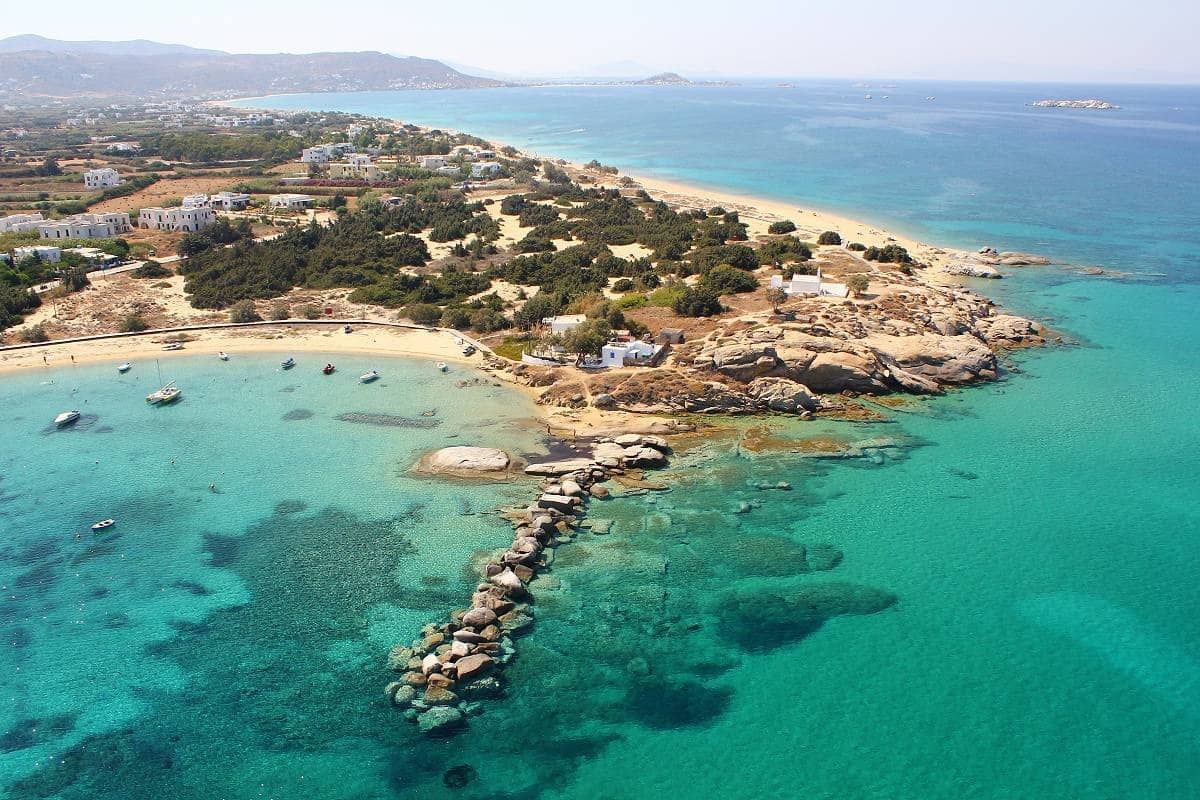
Naxos has the longest continuous stretch of sand in the Cyclades. Agios Prokopios, Agia Anna, Plaka, Kastraki and Alyko run for roughly 12 km down the west coast, mostly fine pale sand with a gentle shelf you can walk out fifty metres into and still stand up. Paros has beautiful beaches - Kolymbithres with its wind-sculpted granite, Santa Maria, Golden Beach for windsurfers - but they are coves rather than expanses, they organise up more heavily with sunbeds, and the crowds concentrate because there is less coastline to spread across. If the beach is the reason you are going to Greece, this comparison ends here.
Villages and atmosphere: Paros wins on charm, Naxos on depth
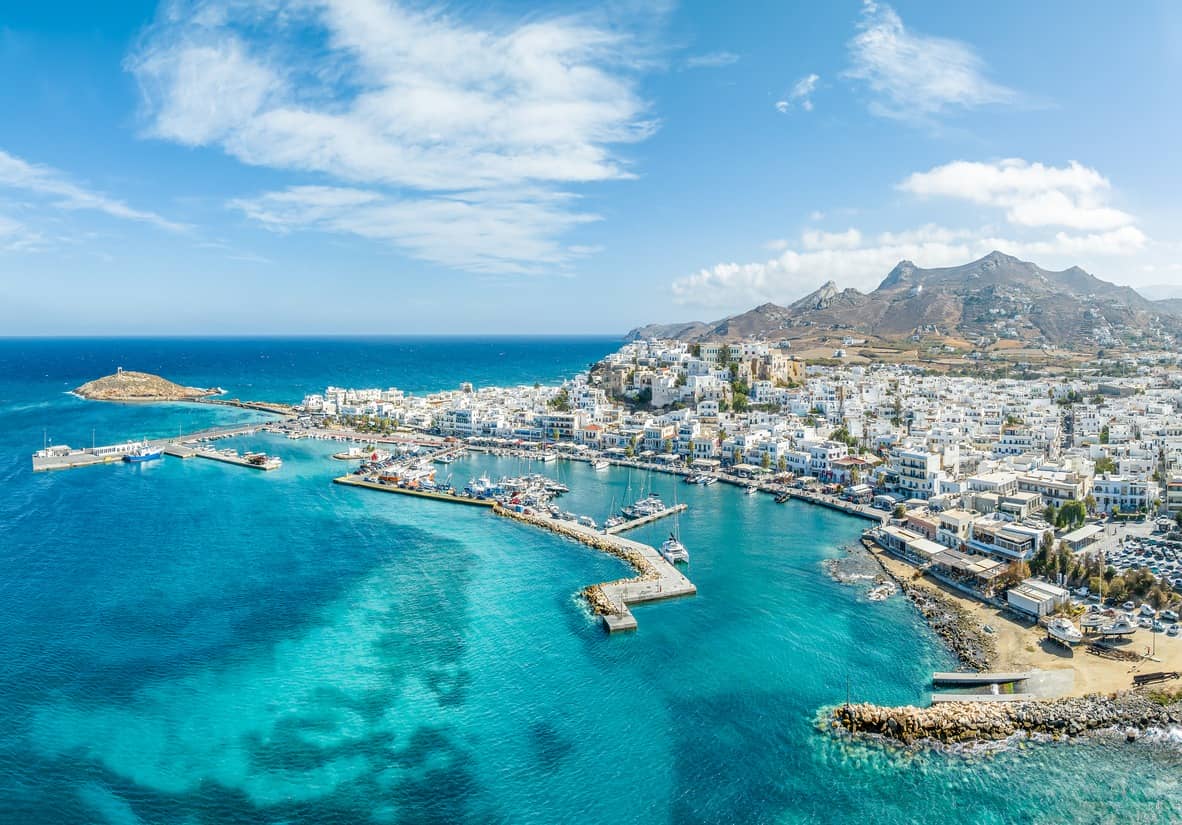
Naoussa is the prettiest village in either island - a small Venetian fishing harbour of blue boats and whitewash that becomes a serious bar scene after dark, and Lefkes inland is lovely. Parikia is a working port town that most visitors underrate. But Naxos has more of it: Chora's three-tier Kastro is a genuine medieval quarter with people still living in the towers, and Chalki, Filoti, Apeiranthos, Koronos and Apollonas are five entirely distinct mountain villages rather than variations on one. Paros feels curated; Naxos feels inhabited. Which you prefer is genuinely a matter of taste rather than quality.
Nightlife, hotels and getting there: Paros
If you want to go out properly, Paros is the answer: Naoussa's harbour bars run until 04:00 and the standard is high. Naxos nightlife is a long dinner and a drink on the waterfront, which many people prefer but is a different proposition entirely. Paros also has the stronger boutique and design-hotel market, and it is the ferry hub of the Cyclades - almost every route passes through Parikia, which makes island-hopping simpler and gives you more flight options via nearby Mykonos. Naxos has good connections too, but Paros has more of them, and if your trip is four islands in ten days that matters.
Cost and value: Naxos, by a clear margin
Expect to pay roughly 15–25% more on Paros for a comparable room, and noticeably more for dinner in Naoussa than for the same meal in Chora. The reason is agriculture again: Naxos grows and raises much of what its tavernas serve, so the supply chain is shorter and the prices reflect it. Car hire is similar on both islands, though Naxos needs one and Paros does not, so budget accordingly - on Paros you could realistically manage with buses and one rental day, while on Naxos a car is part of the trip.
The answer most people should take
Do both. The ferry is 45 minutes and runs several times a day in season, so a ten-day trip splits perfectly: four nights on Paros for the villages and the nightlife, five on Naxos for the beaches and the mountains, one night wherever your flight home is easier. If you must pick one and you are travelling with children, or you want a week that feels like a holiday rather than a tour, take Naxos. If you are two people in your twenties or thirties looking for a lively base with good bars and easy hops to Mykonos and Ios, take Paros.
Naxos vs Paros at a glance
| Naxos | Paros | |
|---|---|---|
| Size | 430 km² | 196 km² |
| Best for | Families, beaches, hiking, food | Couples, nightlife, island-hopping |
| Beaches | Longer, sandier, shallower | Prettier coves, more organised |
| Nightlife | Quiet, taverna-led | Naoussa is a genuine scene |
| Cost | Lower | 15–25% higher |
| Ferry links | Very good | The Cyclades hub |
| Need a car? | Yes - the island is big | Helpful, not essential |